

Connswater
Member
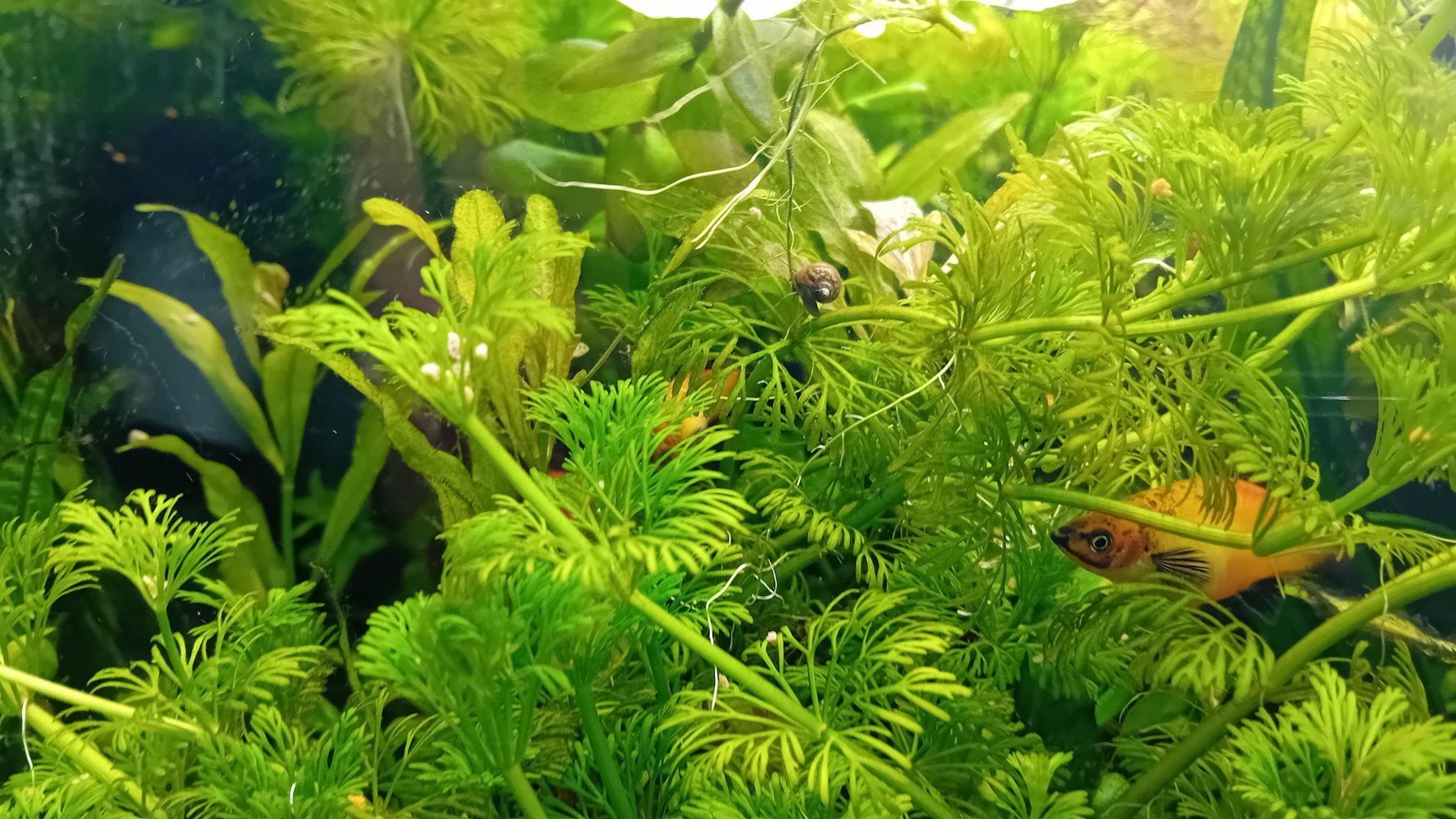
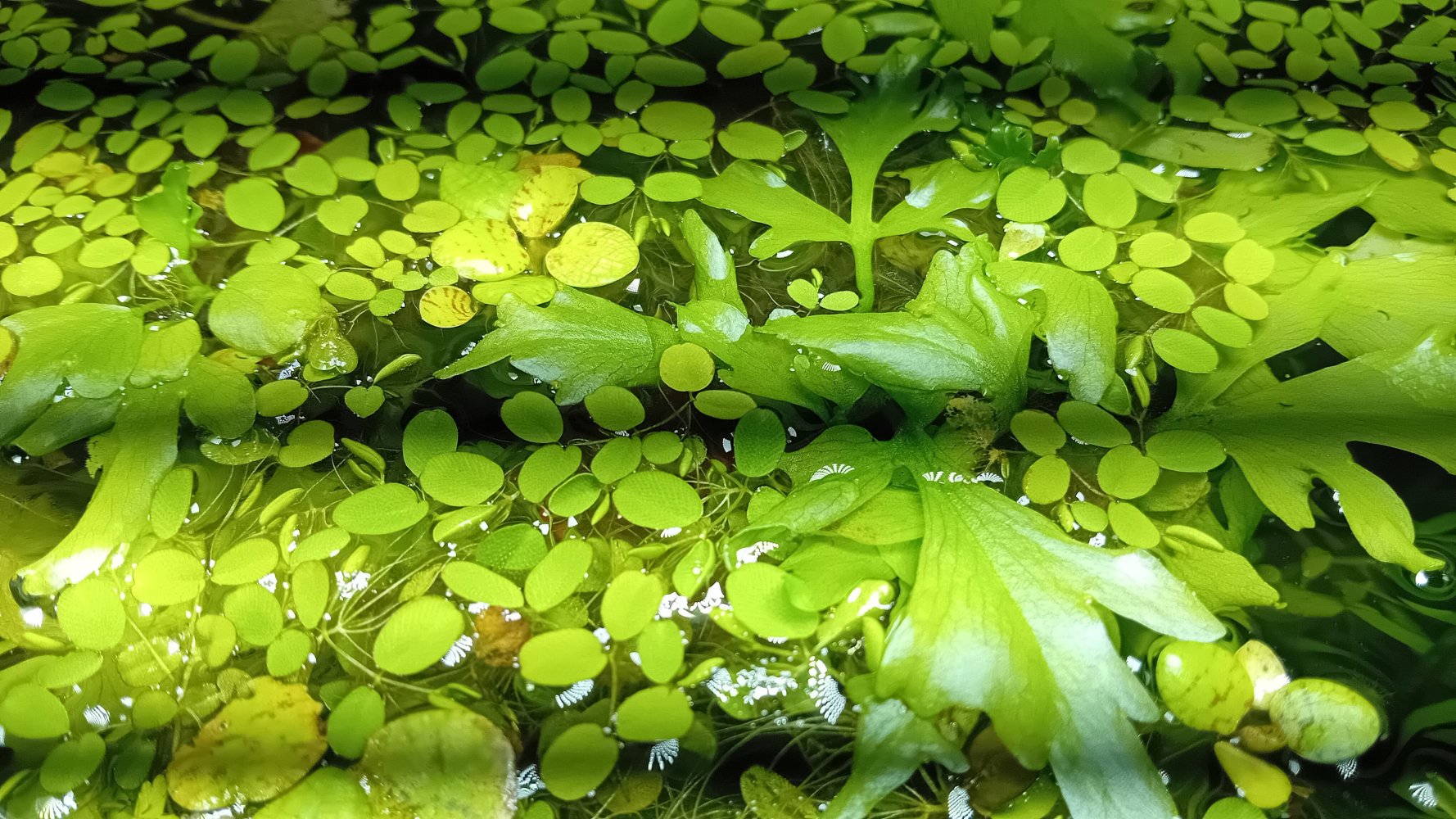
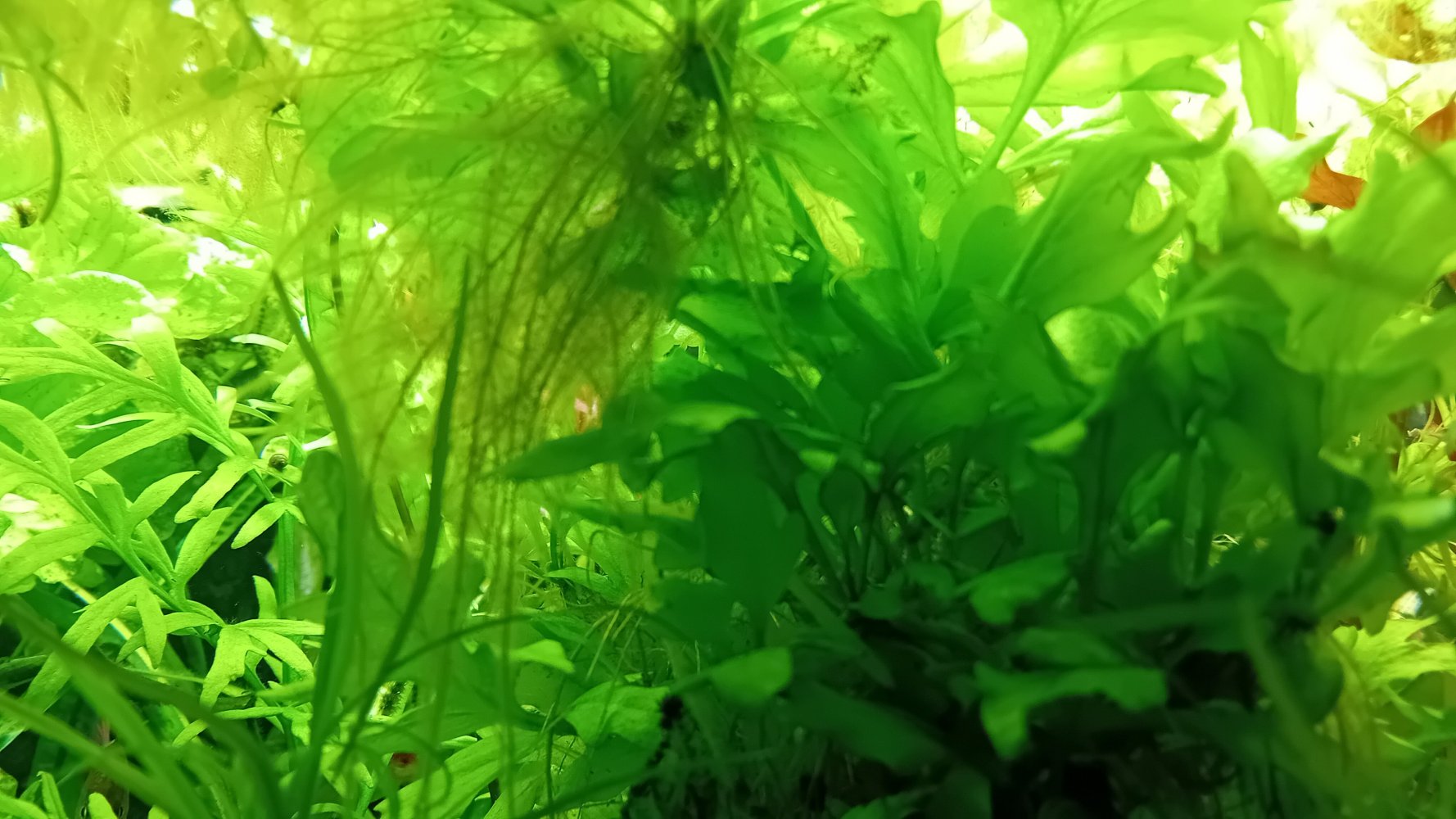
Marcel recently mentioned Hygrophila polysperma as a useful indicator plant for NPK and trace elements. Barry James in his book - 1986 - recommended Hornwort for judging appropriate light levels. Dennerle used to recommend Hornwort for all new tanks to shade the tank and absorb excess nutrients. I increasingly find Frogbit demands too much NPK in the water column to be an effective indicator plant. But all floating plants can quickly impede the health of plants below them, even a light covering - say 50% of the surface - can reduce light intensity by at least 50%, and maybe 80% directly below - and I've found Rotala macrandra and, a carpet of Eleocharis, incompatible with Salvinia, Frogbit and Indian fern. Some stem plants, will also quickly drastically shade a tank, Limnophila sessiliflora is a prime example. But Brazillian pennywort will do the same, and of course, leave a lily uncontrolled in a tank and it will in due course be the only plant, Nymphoides hydrophylla Taiwan tries to dominate my tank regularly. And, yes of course in natural waters there is a competition for dominance and that involves monopolising the surface of a body of water. In my small tank currently Aponogeton boivinianus after a winter of dormancy, it lost all its leaves, is now determined to master the environment.
For a really easy maintenance tank: crypts, soil based substrate, low to medium light, without floating plants or indeed any stem plants, seems easy to balance, especially if low levels of CO2 are maintained with 24/7 injection.
But if we want varitey in texture, colour and shape and go for a high light, 25+ ppm CO2 injected tank what realistically are the best indicator plants and, are floating plants after the initial running-in stage, simply more bother than they are worth? Especially since, they demand heavy water column feeding.
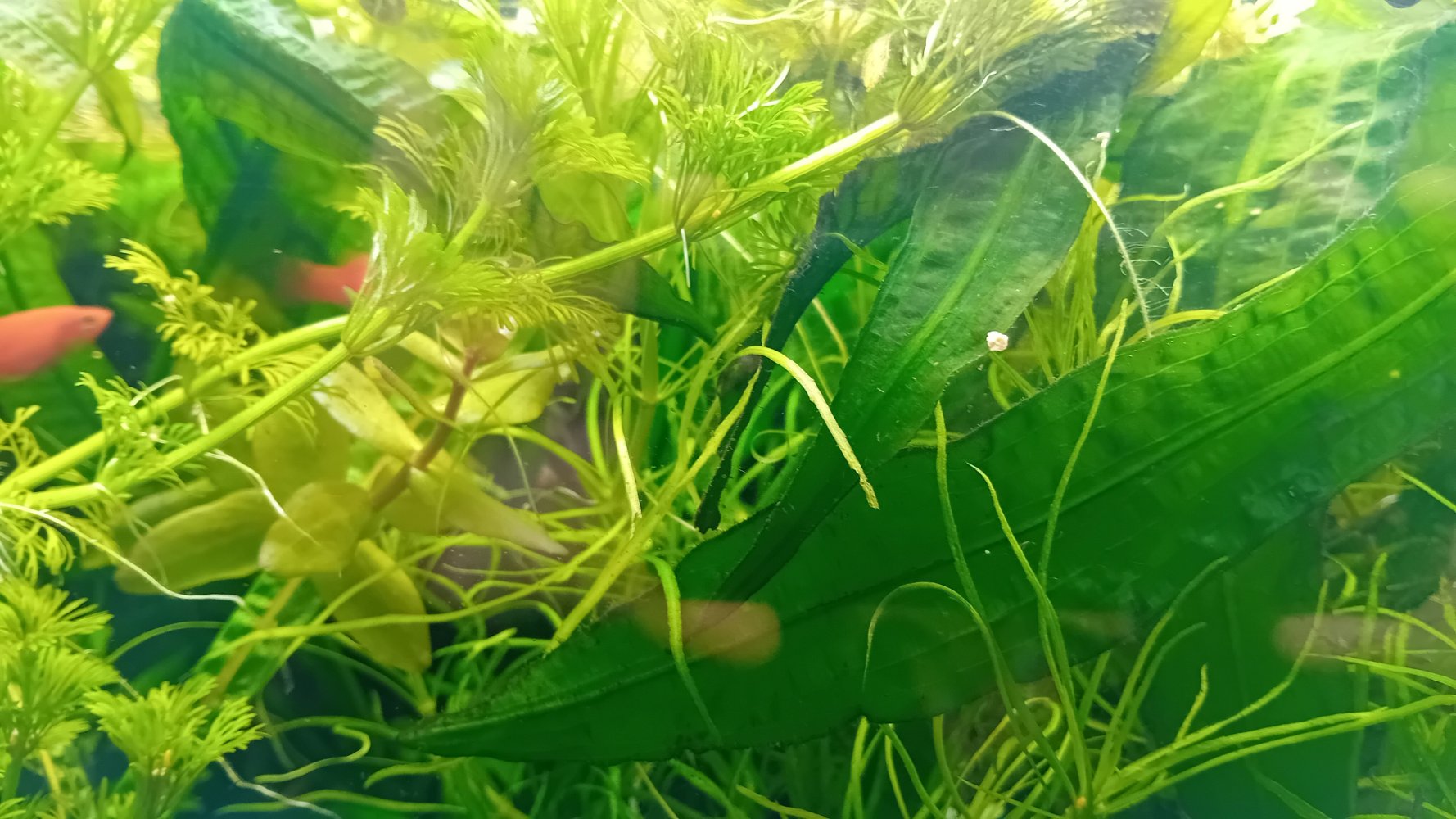
For estimating light intensity I've found "injury" pearling works well but also Indian fern, if the latter produces O2 micro bubbles after around two hours of lights on, CO2 and light are about right for most non-shade plants.
For estimating if NPK and trace elements are adequate I find Ludwigia repens and Hygrophila polysperma works well and if they are a good colour and growing well, the level of fertiliser available is adequate, and the levels needed to keep them healthy and happy are not so high that algae may become problematic.
Duckweed is just a pain so to be avoided, Salvinia and Frogbit need too rich a water column, levels which if light is allowed to penetrate the water column will produce nuisance algae and Water Lettuce and Indian fern, both of the latter grow too large, so as floating plants, it seems Dennerle has a point, Hornwort is the best option. Yet I seem to be only able to get Ceratophyllum demersum which I find doesn't like warmer waters or softer water, submersum I used decades ago but I seem no longer able to find it.
For a really easy maintenance tank: crypts, soil based substrate, low to medium light, without floating plants or indeed any stem plants, seems easy to balance, especially if low levels of CO2 are maintained with 24/7 injection.
But if we want varitey in texture, colour and shape and go for a high light, 25+ ppm CO2 injected tank what realistically are the best indicator plants and, are floating plants after the initial running-in stage, simply more bother than they are worth? Especially since, they demand heavy water column feeding.
For estimating light intensity I've found "injury" pearling works well but also Indian fern, if the latter produces O2 micro bubbles after around two hours of lights on, CO2 and light are about right for most non-shade plants.
For estimating if NPK and trace elements are adequate I find Ludwigia repens and Hygrophila polysperma works well and if they are a good colour and growing well, the level of fertiliser available is adequate, and the levels needed to keep them healthy and happy are not so high that algae may become problematic.
Duckweed is just a pain so to be avoided, Salvinia and Frogbit need too rich a water column, levels which if light is allowed to penetrate the water column will produce nuisance algae and Water Lettuce and Indian fern, both of the latter grow too large, so as floating plants, it seems Dennerle has a point, Hornwort is the best option. Yet I seem to be only able to get Ceratophyllum demersum which I find doesn't like warmer waters or softer water, submersum I used decades ago but I seem no longer able to find it.
Attachments
Last edited: